
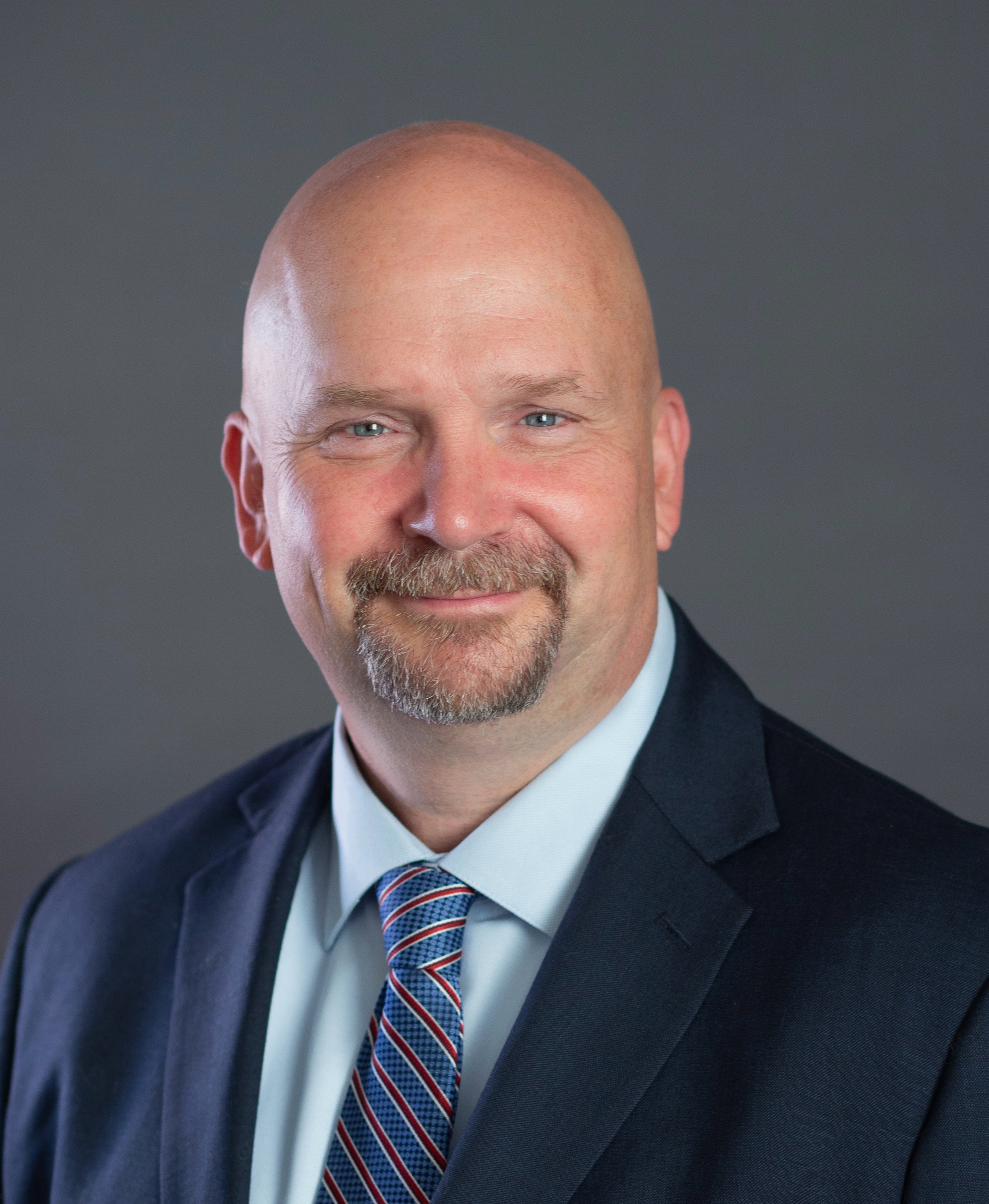
Steve Wicklund
Owner, BSW Electric
 Republican
 Union Grove
Elected Experience
Union Grove village president (2021-present)
Q&A with the Candidate
Why should voters elect you?
Voters should elect me because I've done the job at the level closest to the people. As village president of Union Grove, I've delivered fiscal discipline, responsible growth, and accountable government. As chair of the Racine County Intergovernmental Cooperation Council, I work with local leaders to strengthen partnerships and protect local decision-making. As a small business owner, I've seen firsthand how excessive regulation, rising costs, and government overreach burden working families and employers. I'm not running to start a political career; I'm running to bring proven local leadership to Madison. Madison should work for the people, not control them. I believe in the people of Racine and Walworth counties, and I'm ready to fight for the values that built this district.
What is the top issue in your district? How would you address it?
The top issue in our district is affordability, and property taxes are where families feel it most. Madison increased school revenue limits while holding state aid flat, pushing costs onto local property taxpayers, and homeowners saw it in their December tax bills on top of rising grocery, energy, and housing costs. As village president of Union Grove, I've balanced budgets by setting priorities, not by reaching deeper into taxpayers' pockets, and I'll bring that same discipline to Madison. I'll work to reduce the property tax burden, return state surpluses to the people who paid them, restore the balance between state aid and local levies, and oppose mandates that drive up local costs. Families shouldn't be taxed out of the communities they built.
How should Wisconsin government operate differently than in the past?
Wisconsin government should operate closer to the people it serves. Too many decisions get made in Madison and handed down to communities as unfunded mandates and one-size-fits-all rules. As chair of the Racine County Intergovernmental Cooperation Council, I've seen what's possible when state and local governments work as partners instead of adversaries, and that's the model I'll bring to the Assembly. That means respecting local decision-making, funding the responsibilities the state assigns, budgeting with the same discipline families and small businesses use, and returning surpluses to taxpayers rather than growing government. It also means accessibility: legislators should spend more time at kitchen tables and village halls than in Capitol hallways. Madison should work for the people, not control them.
What is your favorite fun Wisconsin history fact?
Growing up, I heard the older generation talk about "oleo runs," and I thought they were pulling my leg. They weren't. Until 1967, selling yellow margarine was banned in Wisconsin, so families would drive across the Illinois border and come home with trunks full of it, like butter-colored moonshine. Grandmothers who never broke a rule in their lives were smuggling margarine past the state line. That's how seriously we take dairy here. And my favorite part: to this day, a Wisconsin restaurant can't serve you margarine instead of butter unless you ask for it. Some laws protect people. This one protects butter. Having spent my life around hardworking Wisconsin families, I understand it completely. The cows earned it, and so did we.